University students walking together on campus

University mentorship

We've been there.
We'll help you get there.

For curious, ambitious young people ready to find a direction of their own.

Explore the programme
Students walking together on a university campus
Founded by students from Harvard · Yale · Princeton · Stanford · MIT · Oxford · Cambridge · HKU

We found our own way.
Now we help them find theirs.

We remember not knowing what suited us, or which direction to take. Finding our own path took time, and the way forward was not always clear.

That is why we built Mentors: to help younger students explore with someone who understands the journey and can help them take the next step.

A rare connection.
A personal relationship.

300+mentors in our wider network
1

Academic perspective

Learn how students at leading universities question, connect and create.

2

A relatable role model

Someone close enough in age to make an ambitious future feel tangible.

3

Continuity that matters

A mentor chosen for the child, with time to listen and follow through.

Many mentors. Many possible paths.

Choose by subject, interests and goals.

Matt
PRINCETONMattEconomics
Become a memberContact a mentorContact us now
Eddie
STANFORDEddieEnergy
Become a memberContact a mentorContact us now
Yiyun
YALEYiyunPhilosophy
Become a memberContact a mentorContact us now
Margaret
MITMargaretMathematics
Become a memberContact a mentorContact us now
Max
HKUMaxReinforcement Learning & AI
Become a memberContact a mentorContact us now
Haneul
HARVARDHaneulPublic Policy
Become a memberContact a mentorContact us now
Yaxuan
OXFORDYaxuanSocial Sciences
Become a memberContact a mentorContact us now
Alisa
PRINCETONAlisaEconomics
Become a memberContact a mentorContact us now

University backgrounds, not institutional endorsements.

Student considering his next steps in a classroom
A full timetable. An unclear direction.

The parent question

What will they truly care about, and how will it shape who they become?

More classes. More activities. Still unsure what they love, or what to do next.

One stage builds
the foundation for the next.

An interest becomes a project. A project becomes evidence. Specialist support turns that evidence into a clear application plan.

Student exploring an activity with a mentor

Start with what makes them ask “why”.

A story, a song, a game or an animal can open the door to a subject they have never considered.

What they take awayAn interest map, new questions and something they want to return to.

When “I like this” becomes
“I want to make this”.

When an interest lasts, the mentor helps the student choose a question, build skills and create work they can explain.
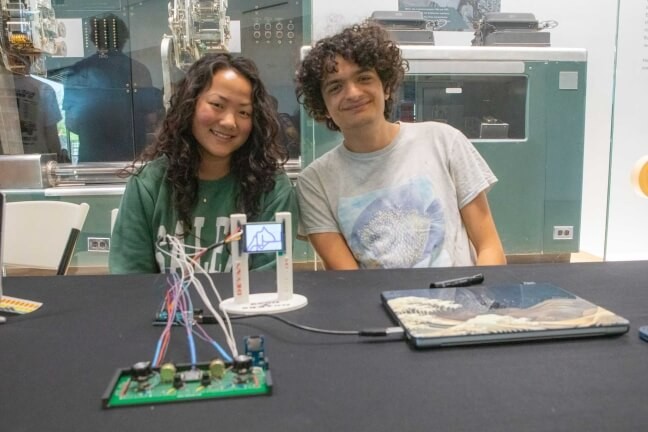

What they take awayAn original work, feedback from others and a record of the decisions behind it.
Students presenting an original engineering project
Student reading outdoorsReading & storytelling

An original children’s book

Develop the story, test it with young readers and revise the manuscript.

Writing portfolio + creative voice

Students taking notes togetherSocial issues

A community research project

Investigate a local question through interviews and share a report or public resource.

Research evidence + social engagement

Student building an application on a laptopCoding & invention

An app built for real users

Find a need, build a prototype and improve it through user testing.

Technical portfolio + initiative

What makes a project meaningful

  1. 01
    A question of their own

    What do I want to understand or change?

  2. 02
    Work that can be traced

    Drafts, experiments, feedback and revisions.

  3. 03
    A real audience

    Readers, users or a community that can respond.

  4. 04
    A thoughtful reflection

    What changed, and what would I try next?

Make their real work
the part they remember.

Original projects become evidence of growth and give the application a distinctive, honest centre.


Students collaborating
Collaboration
Student surrounded by books
Original work
Student presenting
Purpose
Student working independently
Initiative
01

Position

Choose the right direction.

Review academic strengths, interests and project evidence to identify subject and university fit.

Subject direction + university shortlist
02

Plan

Put every milestone on the calendar.

Coordinate coursework, testing, project development and application deadlines.

A personalised application roadmap
03

Present

Make the student's own work clear.

Organise project evidence and portfolios, with essay feedback and interview preparation.

Evidence portfolio + application plan
Support throughout Match the mentorSet goals togetherMeet weeklyReview every 4 weeks

The student authors their work. Academic strength remains essential. No admission guarantee.

Three ways to begin.

Schools bring the audience, venue and staff presence. Mentors brings the people, programme and follow-through.

01

45–60 minutes · students or parents

Mentor panel

Real stories. Open questions. A first connection.

Complimentary first session
02

90 minutes · 25–40 students

Curiosity workshop

A surprising question. A hands-on exploration. A next question to take home.

Recommended pilot · scoped with school
03

2–3 hours · a school event

Discovery booth

Meet a mentor. Explore an interest. Ask what comes next.

Fits an existing campus event